

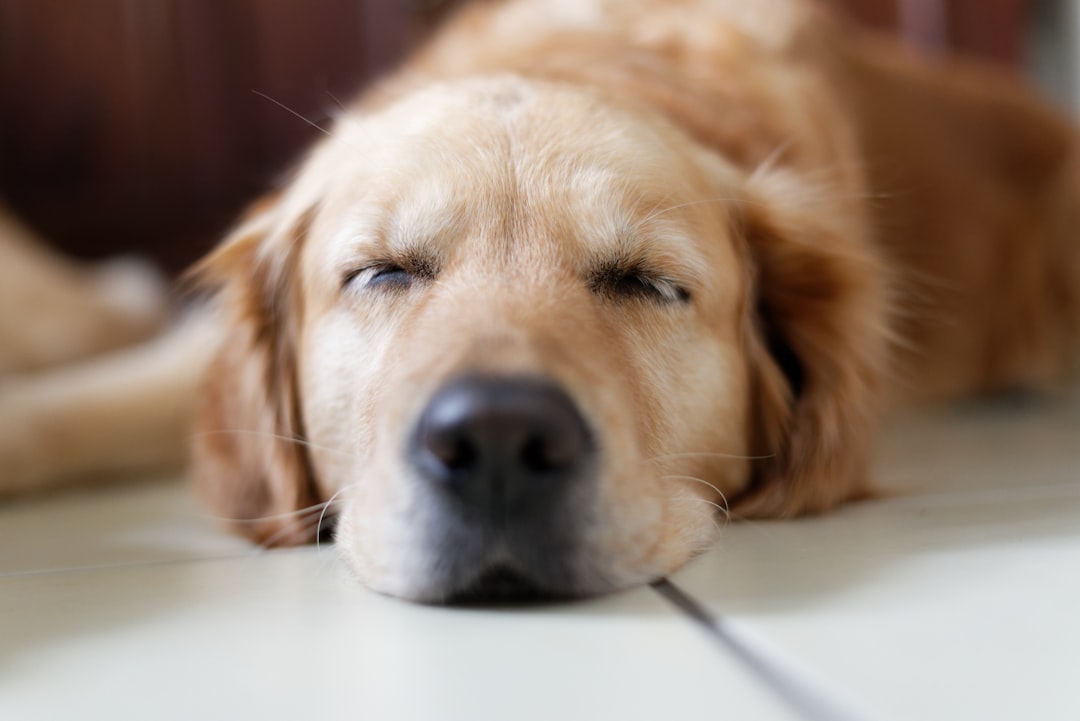
When the fireworks started on New Year’s Eve, Luna didn’t just hide—she clawed at the walls until her paws bled. Her owner, Michael, sat helplessly on the bathroom floor, wondering how to calm a dog down from anxiety that seemed to consume his beloved border collie whole. Like countless pet parents searching for solutions in 2026, Michael discovered that managing canine anxiety requires a multi-layered approach combining immediate relief strategies with long-term emotional support.

Understanding how to calm a dog down from anxiety isn’t just about comfort—it’s about your dog’s quality of life and physical health. Chronic stress can lead to digestive issues, skin problems, and weakened immunity. Whether triggered by thunderstorms, separation, or past trauma, canine anxiety affects dogs across all breeds and ages. This comprehensive guide explores veterinary-approved techniques, natural solutions, dietary support including targeted supplements, and when to seek professional help to help your furry friend find their calm.

Understanding Canine Anxiety: More Than Just Nervousness
Before implementing solutions for recognizing anxiety symptoms in dogs, you must understand what you’re treating. Canine anxiety manifests in three primary categories: situational (thunderstorms, vet visits), separation (distress when left alone), and generalized (chronic background stress). Each type requires different interventions, though they share common physiological markers.
Dogs experiencing anxiety enter a fight-or-flight state, releasing cortisol and adrenaline. While these hormones serve survival purposes, chronic elevation damages health. You might notice excessive panting, drooling, trembling, or destructive behavior. Some dogs develop compulsive behaviors like excessive licking or tail-chasing, while others withdraw completely, hiding in closets or under furniture for hours.
Recent veterinary research emphasizes the gut-brain axis connection in dogs. Studies published in veterinary behavior journals suggest that digestive inflammation and skin allergies significantly exacerbate anxiety symptoms. When dogs feel physically uncomfortable from allergic reactions, their stress baseline elevates, making them more reactive to environmental triggers.
Immediate Relief: How to Calm a Dog Down From Anxiety Right Now
When your dog enters a full panic mode—perhaps during a thunderstorm or unexpected fireworks—you need fast-acting interventions. These techniques provide immediate physiological regulation when learning how to calm a dog down from anxiety in acute moments.
Pressure Therapy and Comfort Tools
Pressure wraps like Thundershirts apply gentle, constant pressure similar to swaddling an infant. This stimulation releases calming hormones and reduces heart rate. For best results, introduce the wrap during calm moments first, ensuring your dog associates it with safety rather than only wearing it during scary events.
If you don’t have a commercial wrap, create a DIY version using an elastic bandage or snug t-shirt. The key is consistent, gentle pressure around the torso—tight enough to provide sensation but loose enough for comfortable breathing. Many dogs show noticeable relaxation within 15-20 minutes of application.
Environmental Management
Create a “safe zone” in an interior room away from windows, using white noise machines or calming music specifically composed for dogs (frequency ranges between 50-80 BPM mimic resting heart rates). Close curtains to block visual stimuli like lightning, and consider pheromone diffusers that release synthetic versions of calming maternal dog pheromones.
Lower the temperature slightly if possible; anxious dogs often overheat due to stress panting. Provide frozen treats or toys filled with calming ingredients like chamomile or valerian root, which occupy their mouths while providing cooling relief.
Physical Intervention Techniques
Long, slow strokes along the spine—known as effleurage massage—activate the parasympathetic nervous system. Focus on the base of the ears and along the jawline, areas where dogs naturally groom each other for comfort. Avoid hugging or restraining, which can increase panic in some dogs.
Try the “leadership walk” technique: attach a leash and walk slowly in circles or figure-eights. This structured movement engages your dog’s brain in following your lead while the repetitive motion induces calm. Speak in low, slow tones rather than high-pitched reassurance, which can accidentally reinforce anxious behavior.
Long-Term Solutions: Teaching Your Dog How to Calm Down From Anxiety
While immediate techniques manage crises, lasting relief requires behavioral modification and lifestyle adjustments. These strategies address root causes rather than symptoms.
Desensitization and Counterconditioning
Systematic desensitization gradually exposes your dog to anxiety triggers at sub-threshold levels. For noise phobias, play recordings of thunder or fireworks at extremely low volumes while engaging in positive activities like treat-training or play. Over weeks, slowly increase volume as your dog remains relaxed, creating new associations with previously scary sounds.
Counterconditioning pairs the trigger with something wonderful. If your dog fears car rides, start by simply sitting in a parked car with high-value treats, progressing to short trips to fun destinations rather than only vet visits. The key is keeping your dog under threshold—if they start trembling, you’ve moved too fast.
Exercise and Mental Enrichment
A tired dog is typically a calmer dog, but the type of exercise matters. Anaerobic activities like fetch or flirt pole play burn adrenaline and cortisol more effectively than leisurely walks. Aim for 30-45 minutes of vigorous exercise daily, split into morning and evening sessions to prevent energy buildup.
Mental stimulation proves equally important. Puzzle feeders, snuffle mats, and scent work engage your dog’s problem-solving brain, releasing dopamine and serotonin. Natural calming aids for anxious dogs work best when combined with adequate physical and mental exercise that satisfies breed-specific instincts.
Nutritional Support and Supplements
Diet significantly impacts anxiety levels. Foods high in tryptophan (turkey, eggs, pumpkin seeds) support serotonin production, while omega-3 fatty acids reduce brain inflammation. Avoid high-glycemic carbohydrates that cause blood sugar spikes followed by crashes, mimicking anxiety symptoms.
Consider targeted supplements that address both physical and emotional wellbeing. Products containing L-theanine, casein hydrolysate (Zylkene), or melatonin provide gentle calming effects without sedation. Always consult your veterinarian before adding supplements, especially if your dog takes other medications.
The Allergy-Anxiety Connection: Addressing Physical Discomfort
Many pet parents overlook a crucial piece of the anxiety puzzle: physical discomfort from allergies. When dogs suffer from chronic itching, inflammation, or digestive upset due to allergies, they exist in a constant state of low-grade distress. This physical suffering lowers their threshold for handling additional stressors, making them more reactive to noises or separation.
Addressing underlying allergic conditions often dramatically improves anxiety symptoms. Allergy relief for dogs should focus on reducing systemic inflammation and supporting the gut microbiome, which communicates directly with the brain through the vagus nerve.
This is where comprehensive supplements like ROROCA Allergy Chews play a dual role. While formulated for allergy relief, these chews contain ingredients that support calm behavior through multiple pathways:
- Probiotic Blend (6-strain): Supports gut health and the production of calming neurotransmitters like GABA through the gut-brain axis.
- Salmon Oil: Rich in omega-3 fatty acids that reduce brain inflammation and support healthy nerve function.
- Licorice Root Extract: An adaptogenic herb that helps regulate cortisol levels and supports adrenal health during stress.
- Curcuma Longa Extract (Turmeric): Potent anti-inflammatory that crosses the blood-brain barrier, reducing neuroinflammation associated with anxiety.
- Echinacea Extract: Supports immune modulation, preventing the inflammatory cascade that exacerbates anxious behaviors.
By addressing the physical discomfort of allergies while providing adaptogenic and anti-inflammatory support, these chews help create a physiological foundation for emotional stability. Dogs who aren’t constantly distracted by itching or digestive discomfort can better process environmental stimuli without panic.
When to Seek Professional Help
While home management helps many dogs, some require pharmaceutical intervention. Consult your veterinarian immediately if your dog shows self-harming behaviors (excessive licking causing wounds, attempts to escape crates resulting in injury), stops eating for more than 24 hours during anxious episodes, or if anxiety suddenly appears in an adult dog (which may indicate thyroid issues or pain).
Board-certified veterinary behaviorists offer specialized care for severe cases. They may prescribe medications like fluoxetine (Prozac) or clomipramine for daily management, or situational medications like trazodone or gabapentin for specific events. These medications don’t sedate your dog but rather normalize brain chemistry, making behavioral training more effective.
The American Veterinary Medical Association recommends combining medication with behavior modification for moderate to severe anxiety, as drugs alone rarely solve the underlying issue.
Frequently Asked Questions
What is the fastest way to calm a dog down from anxiety?
The quickest method combines pressure therapy (like a Thundershirt) with environmental modification. Move your dog to an interior room without windows, play brown noise or classical music at moderate volume, and apply gentle, slow massage along the spine. Some dogs respond within 10-15 minutes to this combination, though individual results vary based on anxiety severity and triggers.
Can food allergies make my dog anxious?
Yes, absolutely. Food allergies cause chronic physical discomfort and inflammation, which elevates baseline stress hormones. Many dogs with undiagnosed allergies display restless behavior, excessive grooming, or irritability that resembles anxiety. Elimination diets or allergy testing can identify triggers, while supplements containing probiotics and anti-inflammatory ingredients like those in ROROCA Allergy Chews help manage symptoms.
How long does it take for calming supplements to work?
Fast-acting supplements like L-theanine or casein hydrolysate typically show effects within 30-60 minutes, making them suitable for situational anxiety. Long-term support supplements, particularly those addressing gut health or inflammation, require 4-6 weeks of consistent use before significant behavioral changes appear. For chronic anxiety, combine immediate-relief options with daily maintenance supplements.
Is it safe to give my dog human anti-anxiety medication?
Never give human anti-anxiety medications without explicit veterinary approval. Many common human drugs like Xanax (alprazolam) or Valium (diazepam) can cause dangerous sedation, liver damage, or paradoxical excitement in dogs. Dosages differ significantly between species, and some human medications contain xylitol or other ingredients toxic to dogs. Always consult your vet for species-appropriate prescriptions.
Why is my dog only anxious at night?
Nocturnal anxiety often stems from cognitive dysfunction syndrome (dog dementia) in senior dogs, heightened sensitivity to sounds that occur after dark (wildlife, heating systems), or vision problems that make darkness frightening. Try nightlights, white noise machines, and ensuring your dog gets adequate exercise earlier in the day. For older dogs, veterinary examination can rule out medical causes like pain or cognitive decline.
Can probiotics really help reduce anxiety in dogs?
Emerging research supports the gut-brain axis connection in canines. Specific probiotic strains like Bifidobacterium longum and Lactobacillus rhamnosus have shown promise in reducing stress-related behaviors in clinical studies. These beneficial bacteria produce neurotransmitters and reduce systemic inflammation that affects mood. Multi-strain probiotics, particularly when combined with omega-3s and anti-inflammatory herbs, offer natural support for anxious dogs.
Conclusion
Living with an anxious dog challenges even the most patient pet parent, but hope exists. By combining immediate calming techniques with long-term management strategies—including addressing underlying physical issues like allergies with quality supplements such as ROROCA Allergy Chews—you can significantly improve your dog’s emotional wellbeing.
Remember that learning how to calm a dog down from anxiety is a journey, not a destination. What works today may need adjustment tomorrow as your dog ages or circumstances change. Stay patient, consistent, and always consult your veterinarian before starting new treatments. Your calm, happy dog is worth every effort.