

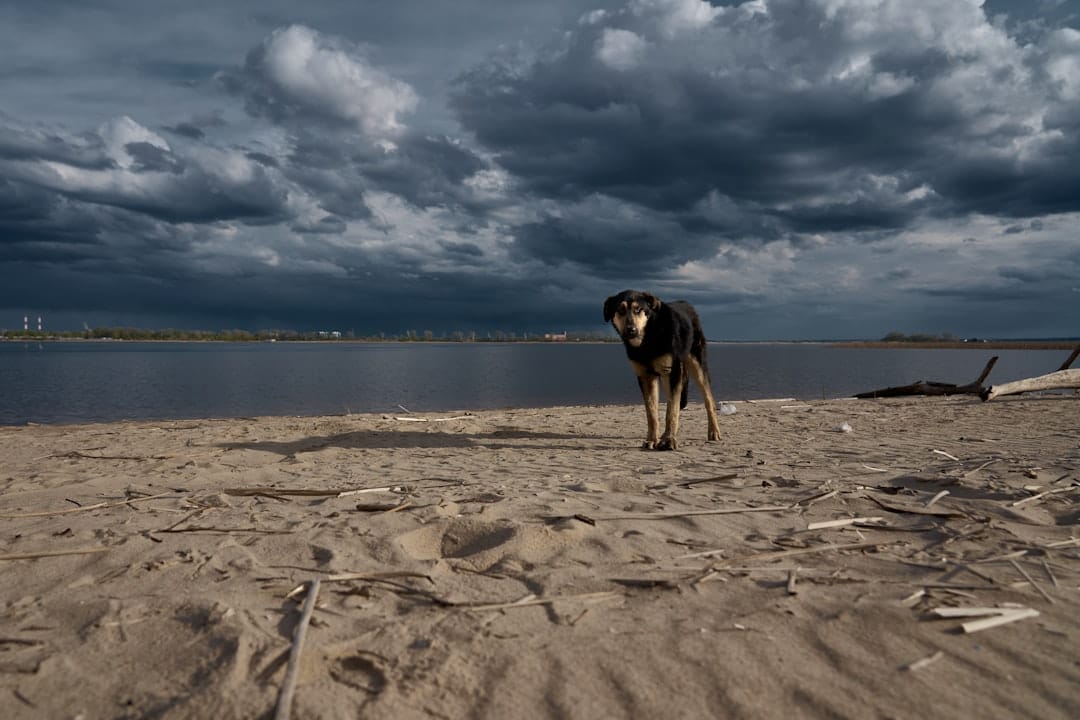
How to Calm a Dog During Storm: 2026 Expert Guide
When the first rumble of thunder echoed through our neighborhood last spring, my Border Collie, Dash, transformed from a confident agility champion into a trembling bundle of nerves. He wedged himself behind the toilet, panting heavily with eyes wide as hail battered the windows. If you’ve ever watched your beloved companion suffer through similar panic, you know exactly how heartbreaking it feels. Learning how to calm a dog during storm events isn’t just about convenience—it’s about protecting your pet’s mental and physical wellbeing during nature’s most dramatic displays.

Storm anxiety, also called noise phobia or astraphobia, affects nearly one-third of dogs and typically worsens with age rather than improving naturally. Whether your dog is experiencing their first summer storm or has developed a debilitating fear over years of exposure, this comprehensive guide covers evidence-based techniques, immediate interventions, and long-term strategies to help your furry friend weather the weather in 2026. We’ll explore everything from pressure wraps to environmental modifications, plus holistic wellness approaches that support your dog’s overall resilience during stressful seasons.

Understanding Canine Storm Phobia: The Science Behind the Fear
Before implementing solutions, understanding why storms terrify dogs helps tailor your approach to their specific sensitivities. Unlike humans, who primarily experience storms through sight and sound, dogs perceive atmospheric changes through multiple sensory channels simultaneously, creating what veterinary behaviorists call a “perfect anxiety storm.”
The Multi-Sensory Assault on Canine Senses
Dogs detect barometric pressure drops hours before humans notice dark clouds gathering. This atmospheric shift signals impending danger to their survival instincts, triggering the fight-or-flight response. Additionally, the static electricity that builds before thunderstorms creates uncomfortable sensations across their fur and skin, causing tiny shocks that owners might not notice but dogs certainly feel.
Perhaps most significantly, dogs sense the low-frequency rumbling of thunder through their paws before hearing it. Sound travels through the ground more efficiently than air, meaning your dog experiences vibrations through their paw pads and jawbone (via the mandible’s connection to the inner ear) moments before the audible boom reaches their ears. This physical sensation of the earth shaking beneath them validates their fear that the world is literally falling apart.
Genetic Predisposition and Learned Behaviors
Herding breeds like Border Collies, Australian Shepherds, and German Shepherds often show heightened storm sensitivity, possibly due to generations of selective breeding for environmental awareness. However, any dog can develop phobias regardless of breed. Rescue dogs with unknown histories may associate storms with past trauma or abandonment, while senior dogs sometimes develop new anxieties as cognitive function changes and sensory perception declines.
Importantly, storm anxiety can be contagious among household pets. If you have multiple dogs, a confident dog might remain calm until observing a fearful companion’s panic, then adopt similar behaviors through social learning. This phenomenon makes early intervention crucial in multi-dog households.
Immediate Relief: How to Calm a Dog During Storm Season
When meteorological warnings appear and your dog begins pacing, panting, or seeking hiding spots, immediate action prevents panic escalation. These techniques work best when implemented at the first sign of anxiety—often when barometric pressure drops rather than when thunder actually crashes.
Create a Storm-Proof Sanctuary
Designate an interior room without windows as your dog’s permanent safe zone. Basements work exceptionally well due to natural sound dampening and stable temperatures, but interior bathrooms or closets serve equally well. Outfit this space with:
- Heavy blankets or sound-dampening foam draped over crates to muffle thunder and block lightning flashes
- Your worn, unwashed clothing for familiar scent comfort that signals safety
- Non-slip mats or yoga mats to prevent frantic paw slippage during pacing
- A white noise machine, box fan, or specialized sound machine set to “brown noise” to mask low-frequency thunder rumbles
- Fresh water and a chew toy or puzzle feeder to provide displacement activities
Introduce this space during calm weather using high-value treats and praise to build positive associations. When storms approach, guide your dog there calmly using a happy, matter-of-fact tone—never force them into the space, as this increases stress and creates negative associations with the sanctuary.
The Power of Pressure Therapy
Anti-anxiety wraps and thunder shirts apply gentle, constant pressure similar to swaddling infants or deep pressure therapy used for sensory processing disorders. This pressure stimulates the parasympathetic nervous system, triggering the release of oxytocin and other calming neurochemicals while reducing cortisol levels.
For optimal results, put the wrap on your dog 30-45 minutes before the storm arrives, ensuring they associate the garment with positive experiences through treats or play. The wrap should fit snugly but not restrict breathing or movement—think of the fit of a comfortable sports bra rather than a corset. Remove the wrap once the storm passes to prevent overheating and to maintain its special association with anxiety-inducing events.
Sound Masking and Cognitive Distraction
Classical music specifically composed for dogs—such as the “Through a Dog’s Ear” series—can reduce anxiety behaviors by promoting slower heart rates and respiration. Alternatively, turn on television shows with constant human dialogue (game shows work well) at volumes loud enough to mask thunder claps without causing additional stress from excessive noise.
Engage your dog’s brain with frozen puzzle feeders stuffed with high-value treats like peanut butter or cream cheese. The physical act of licking releases endorphins while the mental challenge of extracting food redirects focus from external noises. For dogs too anxious to eat, simply scattering kibble across a snuffle mat provides low-pressure foraging activity that occupies their olfactory senses.
Long-Term Behavior Modification Strategies
While immediate fixes help during active storms, lasting relief requires systematic behavior modification programs implemented during clear weather. These techniques require consistency but offer permanent solutions rather than temporary bandages.
Systematic Desensitization Protocols
This evidence-based approach involves playing storm sounds at barely audible volumes while your dog engages in favorite activities like training games or meals. Over the course of weeks or months, very gradually increase the volume in tiny increments (no more than 5% per session) while monitoring for subtle stress signals like lip licking, yawning, or whale eye.
The goal is creating neutral or positive associations with thunder sounds rather than fear responses. This process requires patience—typically 10-15 minute sessions daily for 2-3 months for mild cases, longer for severe phobias. Never rush the process; if your dog shows fear at a certain volume, return to the previous level for several days before attempting advancement.
Counterconditioning for Storm Precursors
Pair specific storm precursors—such as darkening rooms, wearing your raincoat, or playing storm soundtracks—with exceptional rewards like diced chicken, freeze-dried liver, or play with a favorite toy. Eventually, your dog begins anticipating treats when sensing atmospheric changes, transforming fear into excitement.
Work with a certified veterinary behaviorist for severe cases involving destructive behavior, self-harm (excessive licking or scratching), or complete shutdown. These professionals can design customized protocols involving controlled storm simulations and specialized equipment.
Environmental Modifications for Storm Season Preparation
Preparing your home before storm season reduces anxiety triggers significantly and creates a more manageable environment for anxious dogs.
Static Electricity Management: Before storms arrive, gently rub unscented, pet-safe dryer sheets over your dog’s coat to reduce static shocks that contribute to their discomfort. Maintain indoor humidity between 40-50% using humidifiers, as dry air increases static buildup and can exacerbate skin irritation that makes dogs more reactive to sensory input.
Lighting Adjustments: Install blackout curtains or heavy blinds in your dog’s safe room to block lightning flashes that can startle even deaf dogs. Use amber or red night lights rather than blue-white LEDs, as these warmer spectrums interfere less with melatonin production and maintain calmer brain chemistry.
Escape Prevention: Storm-phobic dogs often exhibit extraordinary strength when panicked, bolting through screens, digging under fences, or breaking through windows. Ensure microchip information is current and ID tags are legible. Create double barriers at exits during storm warnings, and notify neighbors if your dog has a history of escape attempts during weather events.
Wellness Support: How to Calm a Dog During Storm Season Holistically
Chronic stress from frequent storms impacts more than just behavior—it affects immune function, digestive health, and skin condition. Supporting your dog’s overall wellness helps them maintain physiological balance when environmental stressors challenge their system.
During high-storm seasons, consider supplements that support the gut-brain axis and immune resilience. ROROCA Allergy Chews provide comprehensive support through a six-strain Probiotic Blend that maintains healthy gut flora—where approximately 70% of immune cells reside. The formula includes Salmon Oil for anti-inflammatory omega-3 fatty acids that support cognitive function during stress, plus adaptogenic botanicals like Licorice Root Extract and Curcuma Longa Extract (Turmeric) to help modulate the body’s stress response. Echinacea Extract provides additional immune support when chronic cortisol elevation from repeated storms might otherwise compromise immune function.
While primarily formulated for allergy support, these ingredients help maintain homeostasis when environmental stressors challenge your dog’s system. A dog with balanced gut health and supported immunity often displays greater emotional resilience and recovers faster from anxiety episodes. Always consult your veterinarian before adding supplements, especially if your dog takes prescription anxiety medications like trazodone or alprazolam, to prevent interactions.
Medical Interventions for Severe Storm Phobia
When behavioral interventions prove insufficient, pharmaceutical support provides necessary relief and prevents the physiological damage caused by repeated panic attacks. Sileo (dexmedetomidine), specifically FDA-approved for canine noise phobias, works by calming without sedating, allowing dogs to remain interactive but relaxed. For dogs with generalized anxiety beyond storms, daily selective serotonin reuptake inhibitors (SSRIs) like fluoxetine or sertraline provide baseline stability.
Your veterinarian might recommend “event medications” taken 1-2 hours before predicted storms or daily maintenance drugs for regions with frequent thunderstorm activity. Never use human anti-anxiety medications like Xanax or Benadryl without veterinary supervision—many contain xylitol, acetaminophen, or dosage levels dangerous for canines. Additionally, acepromazine, once commonly prescribed for storm phobia, is now discouraged by veterinary behaviorists as it sedates the body while leaving the mind anxious, potentially worsening long-term phobias.
Frequently Asked Questions
Should I comfort my dog or ignore them during a storm?
Contrary to outdated dominance-based advice, comforting your dog does not “reinforce” fear—fear is an emotional state, not a voluntary behavior seeking reward. Offer calm, physical touch if your dog seeks contact, speak in soothing tones, and remain present without excessive fuss or panic yourself. Your dog reads your emotional state; if you remain calm and matter-of-fact, you provide security without inadvertently rewarding anxious behaviors. However, respect your dog’s boundaries if they prefer hiding alone rather than being touched.
Why does my dog only fear some storms but not others?
Dogs detect subtle atmospheric differences that humans miss. Some storms produce more static electricity, lower barometric pressure drops, or ground vibrations than others. Additionally, your dog’s sensitivity might vary based on their current stress levels, time of day (night storms often seem worse due to darkness amplifying other senses), or whether they’re home alone versus with family members present.
Can puppies outgrow storm anxiety?
Unfortunately, storm phobias rarely resolve without intervention and typically worsen with age as the fear becomes more entrenched. Early positive exposure to low-level storm sounds during the critical socialization period (8-16 weeks) helps prevent phobias from developing, but once fear establishes itself, proactive management and training become necessary rather than waiting for outgrowth.
Do thunder shirts work for all dogs?
Approximately 80% of dogs show measurable reduction in anxiety behaviors when wearing properly fitted pressure wraps, but effectiveness varies by individual temperament and the severity of the phobia. Some dogs freeze or panic more when wearing garments. Always conduct trial runs during calm weather first, and remove the device immediately if your dog shows increased distress, excessive panting, or attempts to remove it frantically.
Are certain breeds genetically prone to storm anxiety?
While any dog can develop storm phobias, herding breeds (Border Collies, Australian Shepherds, German Shepherds) and some hunting breeds (Pointers, Brittanys) show higher incidence rates, possibly due to generations of selective breeding for heightened environmental awareness and sound sensitivity. However, mixed breeds and traditionally “calm” breeds like Golden Retrievers or Labradors can certainly develop severe storm phobias based on individual experiences and genetics.
How can I help my dog if I work away from home during storm season?
Invest in smart home technology such as atmospheric pressure monitors that automatically play calming music or turn on white noise machines when barometric drops indicate approaching storms. Consider doggy daycares or pet sitters specifically for high-risk weather days. Automated treat dispensers can deliver snacks randomly to create positive associations if storms occur while you’re away. Some GPS collars now include anxiety monitoring that alerts you when your dog’s activity levels indicate distress, allowing you to speak to them through two-way audio features.
Conclusion
Helping your dog overcome storm anxiety requires patience, consistency, and often a multi-modal approach combining immediate environmental controls with long-term behavioral training. Remember that signs of anxiety in dogs manifest differently in every individual—what creates calm for one may trigger panic in another. Start with foundational management like safe spaces and sound masking, then build lasting resilience through systematic desensitization.
As you implement these natural calming methods for dogs, don’t overlook foundational health support that bolsters your dog’s ability to handle stress. Products like ROROCA Allergy Chews help maintain the gut health and immune balance necessary for emotional regulation during challenging seasons. If your dog’s storm phobia treatment isn’t yielding results after consistent effort, or if anxiety leads to self-injury or property destruction, consult a board-certified veterinary behaviorist for customized pharmaceutical and behavioral protocols. With dedication and the right combination of tools, you can help your best friend face storm season with confidence rather than fear, transforming those rumbles of thunder from triggers of terror into just another background noise.