

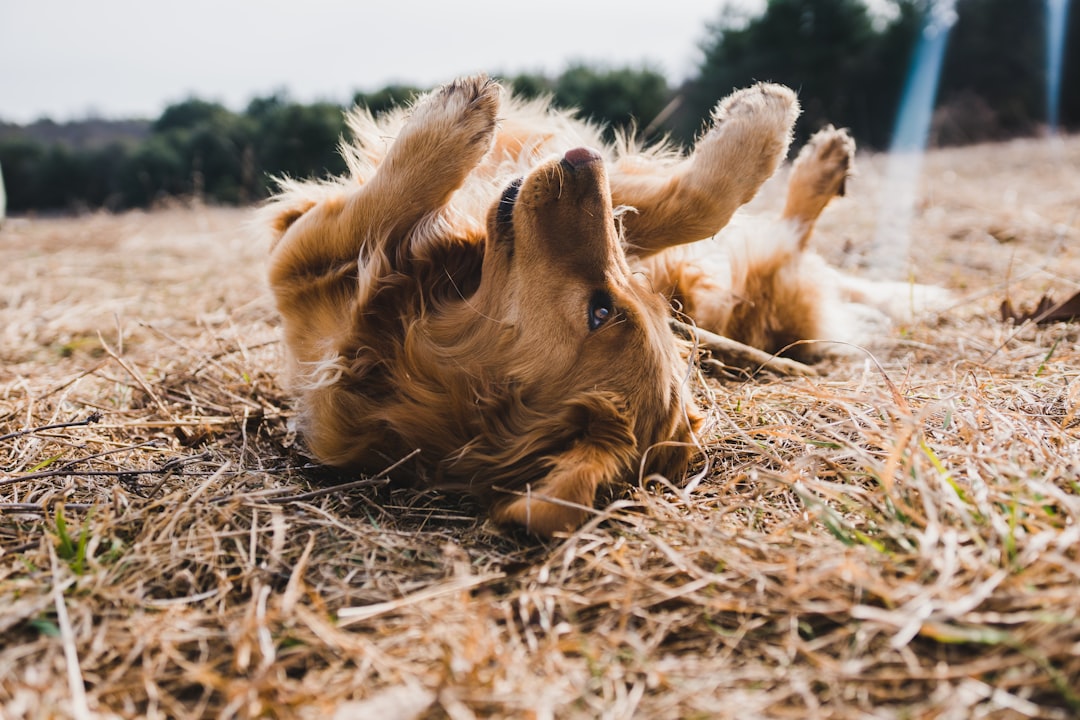
When Max started scratching his ears until they bled, his owner Sarah felt helpless. The constant paw licking, red skin patches, and endless sneezing fits had turned their peaceful home into a cycle of discomfort. After expensive steroid treatments provided only temporary relief, Sarah discovered that learning how to get rid of dog allergies naturally wasn’t just possible—it was the key to Max’s lasting wellness. If you’re watching your furry friend suffer from environmental or food sensitivities, this comprehensive guide explores evidence-based natural remedies that address the root cause rather than just masking symptoms.
Understanding What Causes Dog Allergies
Before diving into solutions, it’s crucial to understand what triggers your dog’s immune system overreaction. Dog allergies fall into three primary categories: environmental allergens (pollen, dust mites, mold), flea allergy dermatitis, and food sensitivities. When your dog encounters these triggers, their body releases histamines, causing inflammation, itching, and digestive distress.
Unlike humans who sneeze and get watery eyes, dogs typically manifest allergies through their skin. You might notice excessive scratching, chewing at paws, chronic ear infections, or hot spots that seem to appear overnight. Recognizing these identify dog allergy symptoms early allows you to intervene before secondary infections develop.
The Immune System Connection
At the core of allergic reactions lies gut health. Approximately seventy percent of your dog’s immune system resides in their gastrointestinal tract. When the gut microbiome becomes imbalanced due to poor diet, antibiotics, or stress, the immune system misfires, treating harmless substances like grass pollen or chicken protein as dangerous invaders. This connection explains why natural approaches focusing on internal health often outperform topical treatments alone.

How to Get Rid of Dog Allergies Naturally Through Nutritional Healing
Dietary intervention represents the foundation of lasting allergy relief. Elimination diets help identify trigger foods while anti-inflammatory ingredients rebuild immune tolerance.
The Elimination Diet Protocol
Start with a novel protein source your dog has never consumed—options include rabbit, venison, or duck combined with sweet potatoes or pumpkin. Maintain this restricted diet for eight to twelve weeks without cheats or treats. During this period, monitor symptom improvements meticulously. Once symptoms resolve, reintroduce ingredients one at a time every two weeks to identify specific triggers.
Anti-Inflammatory Superfoods
Incorporate omega-3 rich foods to combat inflammation at the cellular level. Wild-caught salmon, sardines, and chia seeds provide essential fatty acids that strengthen the skin barrier. Fermented vegetables like sauerkraut juice (just a teaspoon for small dogs, tablespoon for large breeds) introduce beneficial bacteria that regulate immune responses. Fresh turmeric paste mixed with coconut oil and black pepper enhances bioavailability and reduces histamine release.
Many pet parents exploring hypoallergenic diet for dogs find that removing common allergens like corn, wheat, soy, and dairy significantly reduces itching within three to four weeks.

Environmental Control and Home Remedies
While you cannot control outdoor pollen counts, your home environment offers controllable variables that significantly impact allergy severity.
Air Quality Optimization
Invest in a HEPA air purifier for rooms where your dog spends the most time. These units capture ninety-nine percent of airborne allergens including dust mites and pollen particles. Wash your dog’s bedding weekly in hot water with hypoallergenic detergent, and vacuum carpets and upholstery using a vacuum equipped with a HEPA filter twice weekly.
Natural Topical Solutions
For immediate itching relief, create a soothing rinse using cooled chamomile or green tea. These natural astringents reduce inflammation and provide temporary numbing relief. Apple cider vinegar diluted with equal parts water serves as an antifungal and antibacterial spray for paws—particularly effective for dogs with yeast infections between their toes. Always patch test first and avoid open wounds.
Oatmeal baths provide classic relief for irritated skin. Grind plain oatmeal into a fine powder and dissolve in warm bathwater, allowing your dog to soak for ten minutes. The avenanthramides in oatmeal act as natural anti-inflammatory compounds that calm angry skin.
Natural Supplements That Support How to Get Rid of Dog Allergies Naturally
Strategic supplementation addresses nutritional gaps and provides therapeutic doses of compounds that modulate immune function.
Quercetin: Nature’s Benadryl
This flavonoid found in apples and onions possesses powerful antihistamine properties without the drowsiness associated with conventional medications. Quercetin stabilizes mast cells, preventing them from releasing histamine during allergic reactions. Typical dosing ranges from five to ten milligrams per pound of body weight twice daily, though consulting your veterinarian for precise dosing ensures safety.
Probiotics and Gut Health
Multi-strain probiotic supplements specifically formulated for canines restore microbial balance in the digestive tract. Look for products containing Lactobacillus and Bifidobacterium strains proven to reduce allergic responses in clinical studies.
Comprehensive Allergy Support with ROROCA
For pet parents seeking an all-in-one solution, ROROCA Allergy Chews combine scientifically-backed ingredients specifically chosen for their synergistic effects on canine allergies. These soft chews feature a Probiotic Blend with six distinct strains that colonize the gut with beneficial bacteria, alongside Salmon Oil providing EPA and DHA fatty acids for skin barrier repair.
The formula also incorporates Licorice Root Extract, which mimics corticosteroids’ anti-inflammatory effects without suppressing the immune system, and Curcuma Longa Extract (Turmeric) for its potent antioxidant properties. Echinacea Extract rounds out the blend by supporting balanced immune function rather than overstimulating it. Unlike single-ingredient supplements, this comprehensive approach addresses multiple pathways of allergic inflammation simultaneously.
Many owners report reduced scratching and improved coat quality within thirty days of consistent use, making it a cornerstone of their natural dog allergy relief options protocol.
Holistic Care Practices for Long-Term Management
Beyond diet and supplements, lifestyle modifications support your dog’s ability to tolerate environmental allergens.
Stress Reduction Techniques
Chronic stress elevates cortisol levels, exacerbating inflammatory responses. Implement daily massage sessions using coconut oil to improve circulation and lymphatic drainage while strengthening your bond. Essential oil diffusers using dog-safe options like lavender or frankincense (always ensure proper ventilation and never apply oils directly to fur) create calming environments.
Regular Grooming Rituals
Wipe your dog’s paws and coat with a damp microfiber cloth after outdoor excursions to remove pollen and environmental irritants before they penetrate the skin. Maintain a consistent bathing schedule using hypoallergenic, oatmeal-based shampoos—over-bathing strips natural oils while under-bathing allows allergen accumulation.
Acupuncture and Alternative Therapies
Veterinary acupuncture has shown promising results for atopic dermatitis by regulating immune function and reducing itch sensation. Similarly, chiropractic adjustments address nervous system health, potentially reducing hypersensitivity reactions. While these modalities require certified practitioners, many dogs experience significant quality-of-life improvements after just a few sessions.
When Natural Remedies Need Veterinary Support
While natural approaches form the foundation of allergy management, certain situations require professional intervention. Secondary bacterial or yeast infections require prescription medications to clear before natural maintenance can begin. Similarly, if your dog experiences facial swelling, difficulty breathing, or anaphylaxis symptoms, immediate emergency veterinary care is non-negotiable.
Work with a holistic or integrative veterinarian who respects your preference for how to get rid of dog allergies naturally while providing necessary diagnostics like intradermal skin testing or blood panels to identify specific allergens. This partnership ensures you’re not missing underlying conditions like hypothyroidism or Cushing’s disease that mimic allergy symptoms.
Frequently Asked Questions
How long does it take to see results from natural allergy treatments?
Most dogs show initial improvement within four to six weeks of dietary changes and supplement implementation. However, complete immune recalibration typically requires three to six months of consistent protocol adherence. Skin cell turnover takes approximately twenty-one days, meaning coat quality improvements become visible after this period.
Can I use human allergy supplements for my dog?
While some supplements like quercetin overlap between species, never administer human formulations without veterinary guidance. Many human products contain xylitol, artificial sweeteners, or dosage levels inappropriate for canine metabolism. Always choose veterinary-formulated or dog-specific products to ensure safety and efficacy.
Are there any side effects to natural allergy remedies?
Natural doesn’t always mean risk-free. High doses of fish oil can cause blood thinning, while excessive licorice root may elevate blood pressure. Probiotics occasionally cause temporary gas or loose stool during the adjustment period. Start with half doses and monitor your dog closely when introducing new supplements.
What’s the difference between food allergies and environmental allergies in dogs?
Food allergies typically cause year-round symptoms including gastrointestinal upset, ear infections, and non-seasonal itching. Environmental allergies often follow seasonal patterns corresponding to pollen cycles, though dust mite allergies persist year-round. Some dogs suffer from both simultaneously, requiring comprehensive management strategies.
Can puppies outgrow allergies naturally?
Rarely. While some puppies experience temporary sensitivities during immune system development, true allergies usually worsen without intervention. Early implementation of natural support protocols, including high-quality probiotics during the first year, may reduce severity but won’t eliminate genetic predispositions.
Is coconut oil effective for dog allergies?
Coconut oil provides moderate benefits through its lauric acid content, which possesses antimicrobial properties helpful for yeast-prone dogs. However, it’s calorically dense and offers less anti-inflammatory benefit than fish oil. Use sparingly as a topical moisturizer or dietary supplement, but don’t rely on it as a primary treatment.
Conclusion
Learning how to get rid of dog allergies naturally requires patience, consistency, and a multi-faceted approach addressing diet, environment, and immune health. By eliminating trigger foods, optimizing gut health with quality probiotics like those found in ROROCA Allergy Chews, and reducing environmental allergen exposure, you provide your dog with the tools their body needs to heal itself.
Remember that every dog responds differently to treatment protocols. Keep a detailed symptom journal to track improvements and setbacks, and maintain open communication with your veterinarian throughout the process. With dedication to these natural principles, most dogs achieve significant itch relief and improved quality of life without the long-term side effects associated with conventional steroid treatments. Start your natural allergy protocol today—your dog’s comfort is worth the effort.